How to Find a Responsible Bernese Mountain Dog Breeder Near You
General nutrition information compiled from product labels and published sources, not veterinary advice. Your veterinarian is the right person to choose a diet for your dog, especially one with a health condition.
Looking for a Bernese Mountain Dog close to home is exciting. It is also a decision that can shape the next several years of your life. The breed is large, and its health picture needs honest attention before you bring a puppy home.
This guide walks you through the process in order. It covers what to gather, how to judge a breeder, which mistakes to avoid, and what to realistically expect. We do not name or rank individual breeders. Breeder quality varies, and you need to check each one yourself.
Why the breeder matters so much for this breed
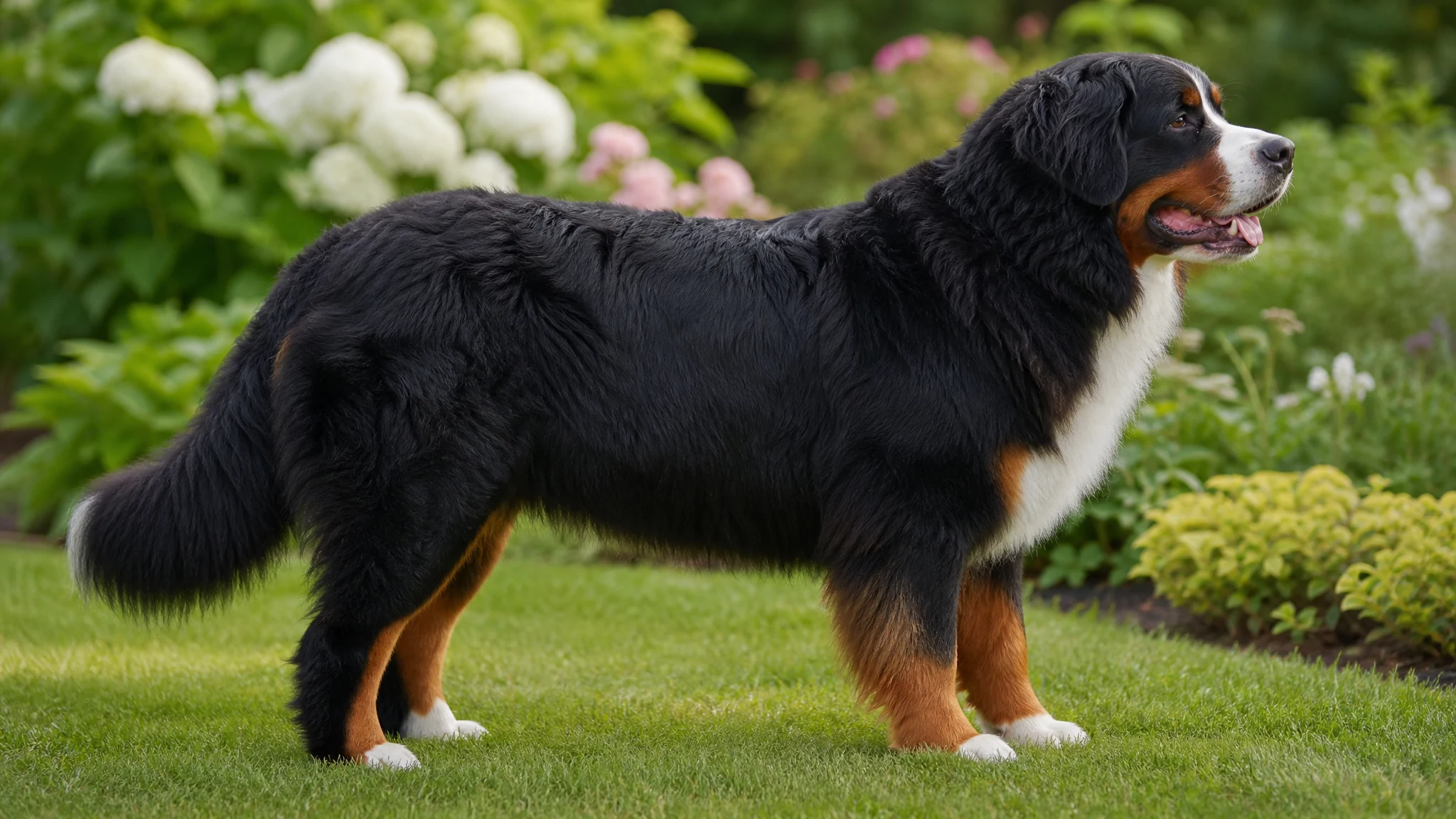
PetMD describes the Bernese Mountain Dog as a large breed, with adults of roughly 70 to 115 pounds. The same page says the breed is prone to several cancers, notably histiocytic sarcoma, and to hip dysplasia. It also lists gastric dilatation-volvulus (bloat) as a risk for deep-chested dogs.
Wikipedia, a secondary source, reports studies of elbow dysplasia in the breed with prevalence between 13.91% and 26%. These are not small numbers. A good breeder cannot promise a healthy dog, but a careful one will talk openly about these issues.
Lifespan is another point to discuss. PetMD gives 7 to 10 years. The Bernese Mountain Dog Club of America (BMDCA) says on its health page that 7 to 8 years is too short a figure, and that some Berners reach their teens. Sources differ, so treat any single number with caution.
Materials you need before you start
- A notebook or spreadsheet to compare breeders side by side.
- A list of your household needs: space, budget, time, children, other pets, climate.
- A list of questions (see Step 4) to use on every call or visit.
- The name of your veterinarian, so you can ask for general guidance on what to look for.
- A budget that covers more than the purchase price: food, routine veterinary care, and possible unplanned care. Ask each source for current figures, because we cannot give prices here.
- Patience. A well-run breeder may have a waiting list.
Step-by-step: finding a responsible breeder
Step 1: Decide if a Berner fits your life
Before you contact anyone, be honest about size and care. An adult can weigh 70 pounds or more, according to PetMD. That affects your car, your budget, your home and your food bill.
Also think about the possibility of a shorter life than many owners hope for. If that is hard to face, it is better to know now.
Step 2: Start with the breed club
The BMDCA is the national parent club for the breed. Its website has a health page, and that is a sensible place to learn what the breed community cares about. Ask the club directly whether it can point you toward regional clubs or member breeders in your area. Do not assume it will. Check with the club for what it offers.
Regional clubs and breed events can also let you meet adult Bernese and talk to people who live with them. Confirm any club or event details with the organizers yourself.
Step 3: Build a short list of breeders
Aim for a handful of breeders, not dozens. For each one, note:
- How long they have bred Bernese, and how many litters a year they produce.
- Whether they belong to the breed club or a regional club.
- Whether they publish health information about the parents.
- How quickly and clearly they answer questions.
A breeder who produces many litters of different breeds, or always has puppies available immediately, deserves extra questions.
Step 4: Ask about health testing and lifespan
This is the most important step. Ask each breeder:
- Which health screenings were done on both parents, and can you see the results yourself?
- What have the parents' relatives and past litters experienced with cancer, joint problems and bloat?
- How long did the dogs in their lines live, and what were the causes of death?
- What health guarantee or return policy do they offer, in writing?
Which screenings are appropriate for the breed is something to confirm with the BMDCA and your veterinarian. We do not list tests here, because we have not verified a specific list. A responsible breeder should welcome the question and answer it plainly. Vague answers, or offence at being asked, are a warning sign.
Step 5: Visit in person
Whenever possible, see where the puppies are raised. Look for clean, comfortable living areas and puppies that are socialized with people. Meet the mother, and the father if he is on site. Notice whether the adults seem healthy, friendly and well cared for.
Be wary of a seller who wants to meet you in a parking lot or ship a puppy without any contact. If a visit is not possible, ask for a live video tour and plenty of documentation.
Step 6: Review the paperwork
Ask to read the contract before you commit. Look at the health guarantee, the return terms and any spay or neuter requirements. Ask what registration papers come with the puppy and which registry issues them. Verify registration details with the registry itself.
A responsible breeder will usually also ask about you. They may want to know about your home, your schedule and your plans. Take that as a good sign. Many will take the puppy back at any point in its life, but ask for that in writing instead of assuming.
Step 7: Plan the food before the puppy arrives
Ask what the puppy is eating now and for how long you should keep it on the same food. Sudden changes can upset a puppy's stomach, so ask the breeder and your veterinarian how to transition.
PetMD advises feeding Bernese puppies an AAFCO-compliant food designed for giant or large breeds, to support steady growth, in up to four meals a day. When you read labels, Whole Dog Journal explains the wording to look for: a statement that the food is for growth "including growth of large-size dogs (70 pounds or more as an adult)." A statement with "except for" wording means the food is not meant for large-breed puppies.
For a label-by-label comparison of large-breed options, see our guide to foods compared for Bernese Mountain Dogs. That comparison is based on label data only. We did not run feeding trials or taste tests.
Tips for a smoother search
- Ask the same questions of everyone. It makes answers easy to compare.
- Take your time. A waiting list is usually better than a rushed purchase.
- Bring a second opinion. A friend or family member can notice things you miss.
- Write down what you hear. Memory blurs after several visits.
- Talk to owners of older Bernese. They can tell you what life with the breed looks like over time.
- Ask about bloat prevention. PetMD advises two meals about 12 hours apart, a slow feeder and no elevated bowls. Dogs fed once a day or from raised bowls are at higher risk, per the same page.
Common mistakes to avoid
- Choosing on photos or price alone. A cute listing says nothing about health or temperament.
- Accepting "vet checked" as proof of health testing. A general check is not the same as breed-specific screening. Ask what was tested and see the results.
- Paying a deposit before seeing anything. Be cautious about sending money to someone you have not verified.
- Believing health promises. No breeder can guarantee a dog will avoid cancer or joint disease. Be skeptical of anyone who implies otherwise.
- Ignoring behavior. A puppy that is very fearful, or adults that seem stressed, are worth noting.
- Assuming a food fixes health risks. Diet is part of care, but your veterinarian decides what is right for an individual dog. No food prevents or cures conditions such as hip dysplasia or cancer.
- Skipping the bloat plan. Learn the signs and have your veterinarian's emergency number ready.
What results to expect
If you follow these steps, you may end up with a short list of breeders who answer openly and show documentation. You may also find that the process takes months, not weeks. That is common for a breed with a limited supply of carefully bred litters, though timing varies.
Careful selection can improve your chances of getting a sound, well-socialized puppy. It cannot guarantee one. Even the best-planned litter can produce a dog with health problems, given what the sources above say about the breed.
Plan on regular veterinary care, a measured diet that keeps your dog lean, and gentle, reward-based training from the first week. PetMD notes that keeping a lean body is part of managing hip dysplasia, so body condition is worth watching for life.
A short checklist to take with you
- Written health results for both parents, which you have seen yourself.
- A contract with clear return and guarantee terms.
- Visit or live video of the puppies and their mother.
- A feeding plan agreed with the breeder and your veterinarian.
- A budget that covers the dog's whole life, not only the first month.