How Much Is a Bernese Mountain Dog? A Price Breakdown by Source
General nutrition information compiled from product labels and published sources, not veterinary advice. Your veterinarian is the right person to choose a diet for your dog, especially one with a health condition.
If you are asking how much is a Bernese Mountain Dog, the honest answer starts with a caution. A single number is rarely trustworthy, and we will not print one here. We did not find a verified price figure from an official breed source, so any dollar amount we gave you would be a guess.
What we can do is show you how to collect real quotes from each kind of source, how to compare them fairly, and how to estimate the ongoing costs that come from owning a large dog. Think of it as a worksheet you fill in yourself.
What You Need Before You Start
- A notebook or spreadsheet with one row per source and columns for fees, what is included, and the date you were quoted.
- A list of questions for each source (see the steps below).
- The contact details of a local veterinary clinic, so you can ask for written estimates for routine care.
- The label details of any food you are considering, so you can estimate feeding costs once you check current prices with the brand.
- A few hours over several days. Rushing is the most common reason people overpay or skip important questions.
Step 1: Understand What You Are Pricing
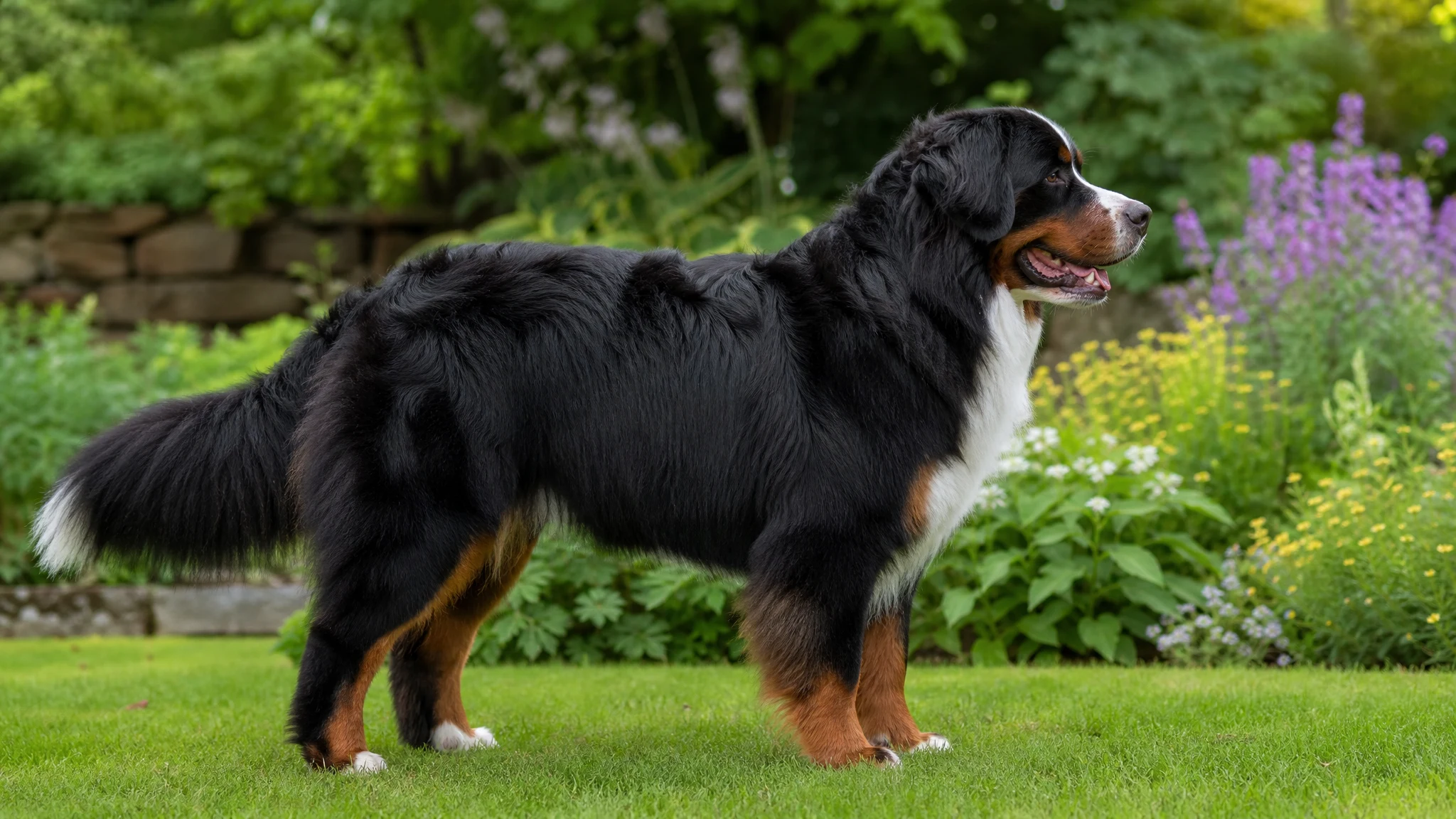
PetMD lists the Bernese Mountain Dog as a large breed, with adult weights of 70 to 115 pounds. Wikipedia gives males as 80 to 120 pounds and females as 75 to 100 pounds. Sources differ a little, so treat these as ranges.
Size matters for budgeting. A dog this big eats more, and medicine, boarding and other services are often priced by weight. So the purchase or adoption cost is only the first line in your worksheet.
Step 2: List the Kinds of Sources
Bernese Mountain Dogs can come to a home in a few different ways. Create one section in your notes for each:
- Breeders. Ask each one for their full price in writing and what it covers.
- Breed rescues and shelters. These usually charge an adoption fee. We do not have a verified fee to quote, so ask each organization directly.
- Rehoming from a private owner. Terms vary widely, so ask what records come with the dog.
The Bernese Mountain Dog Club of America (BMDCA) is the national breed club. Its website is a reasonable first stop to learn what the club says about health and responsible breeding. Ask the club how it suggests finding reputable breeders or rescue contacts, rather than relying on a general listing.
Step 3: Ask Each Source the Same Questions
Use the same list every time so the quotes can be compared.
- What is the total price or adoption fee, and what exactly does it include?
- Is a deposit required, and is it refundable?
- What vaccinations, deworming or vet checks have been done, and can you see the records?
- What health information is available on the parents? The BMDCA health page is a good guide to the conditions worth asking about.
- Is there a written contract, and what does it say if the dog develops a serious problem or you can no longer keep it?
- Is spay or neuter included, required, or left to you?
Write down the answers on the day you hear them. If a source will not answer in writing, note that too. It is useful information.
Step 4: Compare Like With Like
A lower upfront figure can mean less is included. A higher one can include vet work you would otherwise pay for separately. Put each quote into your table and mark which items are covered. Then ask your own veterinary clinic what the missing items would cost for a dog of this size, and write down their estimate.
Be wary of any seller who pressures you to pay quickly, avoids questions about health testing, or offers no records at all. A bargain with no paperwork is not really a bargain.
Step 5: Estimate Ongoing Food Costs
Food is the cost you will pay every month for the dog's whole life. We compared label data only. We did not run feeding trials or taste tests, and we have no verified prices, so you will fill in the money part yourself from each brand's current pricing.
Here is how to set up the quantity side. Use the brand's feeding guide as a starting point, then adjust with your veterinarian.
- The Hill's Science Diet Adult 6+ Large Breed dry food page shows a chart example of 4 3/4 cups a day for a 100 pound dog. The label lists 352 kcal per cup. That chart is only an example for one product, and Hill's says to adjust amounts to maintain optimal weight.
- Victor's Senior Healthy Weight page says to increase intake by 1/2 cup for every 20 pounds over 100 pounds. Some Berners will reach that range.
- Royal Canin offers a feeding calculator on its Large Adult and Large Puppy pages, with a table by target adult weight and activity level.
Multiply the daily cups by 30, divide by the cups in a bag (check the brand's page for bag sizes), and you can then apply the current price. Our comparison of foods for Bernese Mountain Dogs lays out the label details side by side, including calories per cup, so you can plug them into this math.
Puppies need special care in choosing food. PetMD advises food designed for giant or large breeds to support steady growth, fed in up to four meals a day. Look for the AAFCO wording "including growth of large-size dogs (70 pounds or more as an adult)". A statement that says "except for" large-size dogs means the food is not meant for large-breed puppies.
Step 6: Plan for Health Care
We can name the conditions the breed sources mention, but we cannot give you a verified cost for treating any of them. Ask your veterinarian for estimates and consider whether pet insurance or a savings fund suits your household.
- Lifespan. PetMD gives 7 to 10 years. The BMDCA says 7 to 8 years is too short and notes that some Berners reach their teens. Longer lives mean more years of food and care costs.
- Cancer. PetMD says the breed is prone to several cancers, notably histiocytic sarcoma.
- Bloat (gastric dilatation-volvulus). PetMD says deep-chested dogs, dogs fed from raised bowls and dogs fed once a day are at higher risk. It advises two meals about 12 hours apart, a slow feeder and no elevated bowls.
- Hip and elbow dysplasia. PetMD lists keeping a lean body and low-intensity exercise as part of managing hip dysplasia. Wikipedia reports elbow dysplasia studies at 13.91% to 26%. That is a secondary source, so ask your vet or the BMDCA what to make of it.
No food prevents, treats or cures any of these conditions. A veterinarian decides what is right for an individual dog, including whether any special diet is needed.
Step 7: Add Up a Realistic Budget
Build your final table with three sections: the upfront cost from your best source, the first-year items your vet estimates, and the monthly items such as food. Keep a line for the unexpected. Then ask yourself whether you could manage if the dog needed more care than you planned.
Tips and Common Mistakes
- Do not shop on price alone. The cheapest quote often leaves out records, health information or support.
- Do not rely on a figure you saw online. Prices change, and no one can confirm yours for you except the seller.
- Do not forget the size. Large dogs eat more and often cost more for weight-based services.
- Do not switch foods suddenly. Ask your veterinarian how to transition gradually.
- Do not feed one big meal. PetMD's advice on bloat is to split the day's food into two meals.
- Do not skip the contract. Read it fully before paying anything.
What to Expect From This Process
By working through these steps, you should end up with a clearer, written picture of what each source would charge and what each includes. Your numbers may differ from someone else's, because they depend on your location, the source, and your dog's needs.
This approach may also help you notice sellers who are vague or evasive. It cannot promise that the dog you bring home will stay healthy, since individual dogs vary. A veterinarian is the right person to help you plan for that.