How Much Does a Bernese Mountain Dog Cost? Price Ranges and What Affects Them
General nutrition information compiled from product labels and published sources, not veterinary advice. Your veterinarian is the right person to choose a diet for your dog, especially one with a health condition.
Bernese Mountain Dog cost is more than the number on a breeder's contract. A large, deep-chested dog eats a lot, may face breed-linked health costs, and needs a budget that lasts for years.
This guide walks you through building your own estimate, step by step. It does not quote a dollar range for puppies. The breed sources we relied on do not publish one, and a made-up average would only mislead you. Instead, you will learn which factors move the price and how to get real, current numbers from the people who set them.
What You Need Before You Start
- A notebook or spreadsheet with one row per cost category.
- Written price quotes from each breeder or rescue you contact.
- The names of two or three local veterinary clinics, so you can ask about their fees directly.
- The feeding guide from the label of any food you are considering.
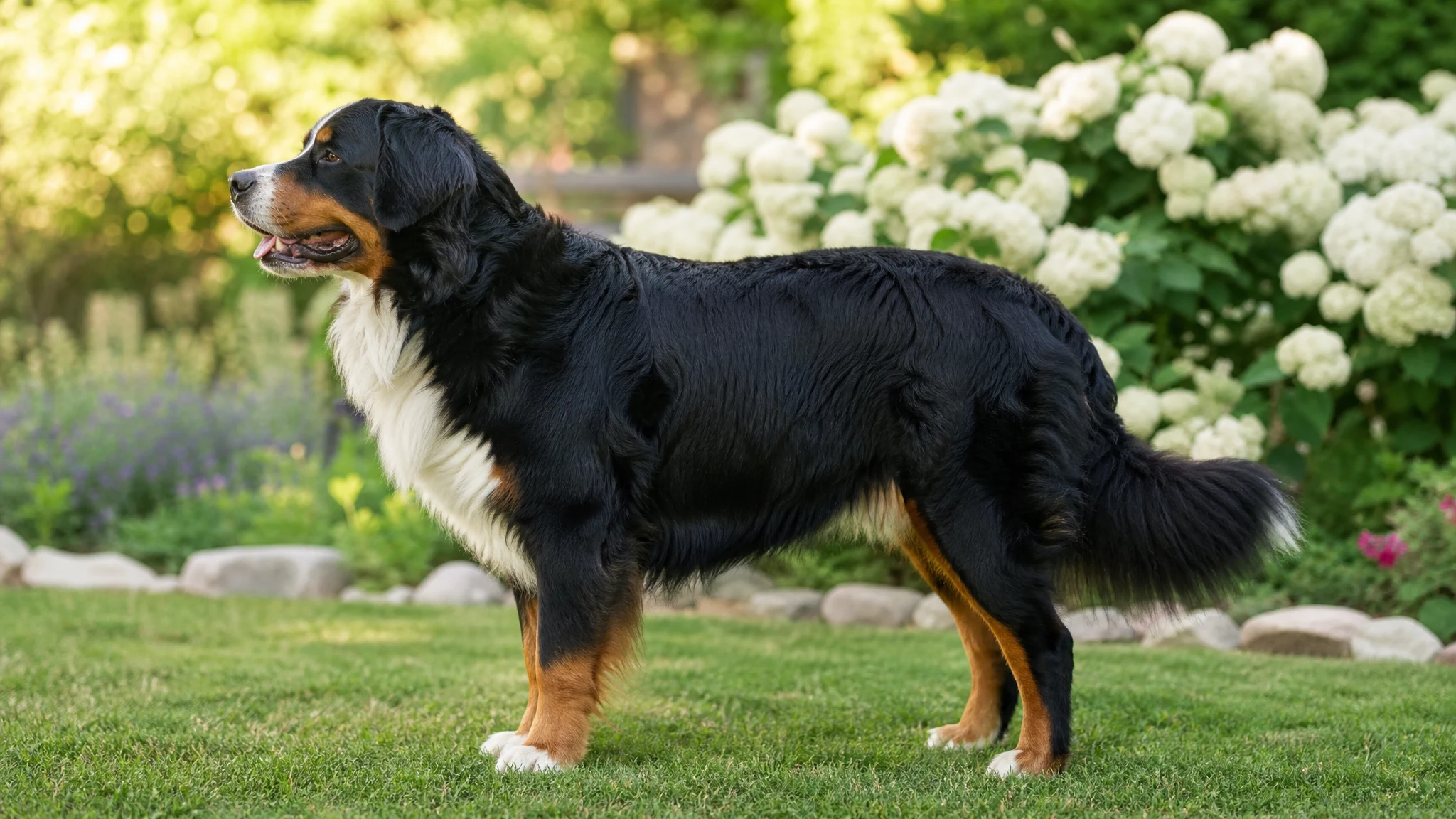
- A realistic picture of the dog's size. PetMD lists adult Bernese at roughly 70 to 115 lb, and that weight drives food costs for years.
Step 1: Separate the Purchase Price From the Lifetime Cost
Start with two columns. One is the one-time cost of getting the dog, whether a breeder fee or a rescue adoption fee. The other is everything that recurs: food, veterinary care, grooming, supplies and boarding.
Many first-time buyers focus only on the first column. For a large breed, the second column usually grows larger over time. Keep them apart so you can see both clearly.
Step 2: Ask Breeders and Rescues for Current Prices in Writing
Prices vary by region, by breeder and by year. Neither PetMD nor the Bernese Mountain Dog Club of America (BMDCA) gives a standard figure, so check directly with each breeder or rescue and write down what the fee includes.
Ask these questions:
- What does the price cover (first vaccines, microchip, spay or neuter terms, a starter supply of food)?
- Is there a written contract, and what does it say about health problems?
- Is a deposit required, and is it refundable?
The BMDCA is the breed's parent club and the place to start when you want to find out what responsible breeding looks like. Its health page is worth reading before you contact anyone.
Step 3: Understand Why Prices and Costs Differ
Several factors can push the total up or down. Not all of them show on a price tag.
- Health screening. The BMDCA health page discusses the breed's health concerns. Breeders who screen their breeding dogs take on extra expense, which may be reflected in what they ask. Ask to see the results rather than accepting a verbal promise.
- Location and demand. Fees can differ widely between regions. Check with breeders in your area.
- Puppy or adult. Rescues and breed-specific rescue groups may place older dogs. Their fees and what is included differ by organization, so ask each one.
- Travel. Picking up a puppy from far away adds fuel, lodging or shipping costs.
Step 4: Estimate the Cost of Food
Food is the cost most owners underestimate, because a Bernese eats more than a small or medium dog. Here is a simple way to estimate it without guessing.
- Pick a food and find its calories per cup on the brand's own page. For example, Hill's lists its Science Diet Adult Large Breed Chicken & Barley at 365 kcal per cup, and Royal Canin lists its Size Health Nutrition Large Adult at 360 kcal per cup (calculated).
- Read the brand's feeding guide for your dog's weight. Hill's chart for its Adult 6+ Large Breed formula shows 4 3/4 cups a day for a 100 lb dog. Treat figures like this as a starting point, not a prescription.
- Multiply the daily amount by 30 to get a monthly volume, then ask the brand or your local pet food store how much food that is in pounds and what the bag costs.
- Repeat for puppy, adult and senior stages, since the formula and amounts change.
Food formats matter too. Hill's wet adult entree lists maintenance amounts of up to 6 cans a day for a 120 lb dog, so feeding it as the main meal would add up quickly. It makes more sense as a small topper. Fresh foods such as Freshpet's Large Dog Multi-Protein Recipe list 348 kcal per cup, so the cups needed are similar to dry food, but check the brand's feeding table for your dog's weight.
For a side-by-side look at label data such as ingredients and calories, see our comparison of foods for Bernese Mountain Dogs. We compared label information only. We did not run feeding trials or taste tests.
A note on puppy food
PetMD advises feeding puppies an AAFCO-compliant food designed for giant or large breeds, in up to four meals a day. Whole Dog Journal explains the label wording to look for: a statement that the food supports growth "including growth of large-size dogs (70 pounds or more as an adult)." A statement with "except for" wording means the food is not meant for large-breed puppies. Choosing the right food early can spare you the cost of switching later, though your veterinarian is the one to advise on your individual puppy.
Step 5: Plan for Veterinary Costs
Routine care is predictable: exams, vaccines, parasite prevention. The harder part is planning for health issues the breed is known for. PetMD notes that Bernese are prone to several cancers, notably histiocytic sarcoma. It also lists bloat (gastric dilatation-volvulus) as a risk for deep-chested dogs.
Wikipedia reports that studies of elbow dysplasia in the breed found prevalence between 13.91% and 26%. That is a secondary source, so treat it as a general indication and ask your veterinarian or the BMDCA about current research.
None of this means your dog will get sick. It means a savings buffer or a pet insurance policy is worth pricing out. Ask your veterinarian what a typical emergency visit costs at their clinic, and read any insurance policy's exclusions and waiting periods closely.
Step 6: Account for Lifespan
The number of years you pay matters. PetMD gives a lifespan of 7 to 10 years. The BMDCA states that 7 to 8 years is too short and notes that some Bernese reach their teens. Because sources differ, budget for a range rather than a single figure.
Step 7: Add It Up
Fill in your notebook with these categories:
| Category | Where to get the number |
|---|---|
| Purchase or adoption fee | Breeder or rescue, in writing |
| Food, by life stage | Brand feeding guide plus local bag price |
| Routine veterinary care | Your clinic's fee schedule |
| Emergency or illness fund | Your veterinarian, plus insurance quotes |
| Supplies and grooming | Local shops and groomers |
| Boarding or pet sitting | Local providers |
Multiply recurring costs across a lifespan range, then add the one-time costs. The result is your own estimate, built from current local quotes.
Tips for Keeping Costs Manageable
- Keep your dog lean. PetMD lists a lean body weight as part of managing hip dysplasia. It also keeps food portions in check. Adjust amounts to your dog's body condition, as Hill's suggests, and ask your veterinarian if you are unsure.
- Be mindful of bloat risk where you can. PetMD advises two meals about 12 hours apart, a slow feeder and no elevated bowls. These steps cost little, and your veterinarian can tell you what suits your dog.
- Do not buy in bulk before a trial. Switch foods gradually and confirm your dog does well on a food before buying a large bag.
- Be wary of grain-free marketing. The FDA has investigated a possible link between certain diets and canine dilated cardiomyopathy. Its latest update is dated 12/23/2022, and it does not plan further public updates until there is meaningful new scientific information. If you have questions about your dog's diet, talk to your veterinarian.
Common Mistakes to Avoid
- Choosing on the lowest price alone. A cheap puppy with no health documentation can cost more later. Ask for records.
- Skipping the contract. Get the terms in writing, including what happens if a health problem appears.
- Budgeting for a puppy's size. A puppy's appetite is small compared with that of a 100 lb adult.
- Treating supplements as a substitute for care. PetMD mentions omega-3s and joint supplements within hip dysplasia management, but your veterinarian decides what, if anything, suits your dog.
- Forgetting the long tail. Senior dogs may need different food and more frequent veterinary visits.
What to Expect
If you follow these steps, you will likely end up with a more realistic picture of the commitment than a single price quote would give. Your estimate may shift as you gather real quotes, and actual costs depend on your dog's health, your region and the choices you make. A budget built this way can help you decide with fewer surprises, but it cannot predict every expense.
Sources
- PetMD, Bernese Mountain Dog breed page
- Bernese Mountain Dog Club of America, health page
- Wikipedia, Bernese Mountain Dog
- Whole Dog Journal, nutritional adequacy statements
- FDA Center for Veterinary Medicine, diets and canine dilated cardiomyopathy
- Hill's Science Diet Adult Large Breed
- Hill's Science Diet Adult 6+ Large Breed
- Hill's Science Diet Adult Chicken & Barley Entree
- Royal Canin Size Health Nutrition Large Adult
- Freshpet Large Dog Multi-Protein Recipe