Do Bernese Mountain Dogs Shed? What to Expect and How to Manage It
General nutrition information compiled from product labels and published sources, not veterinary advice. Your veterinarian is the right person to choose a diet for your dog, especially one with a health condition.
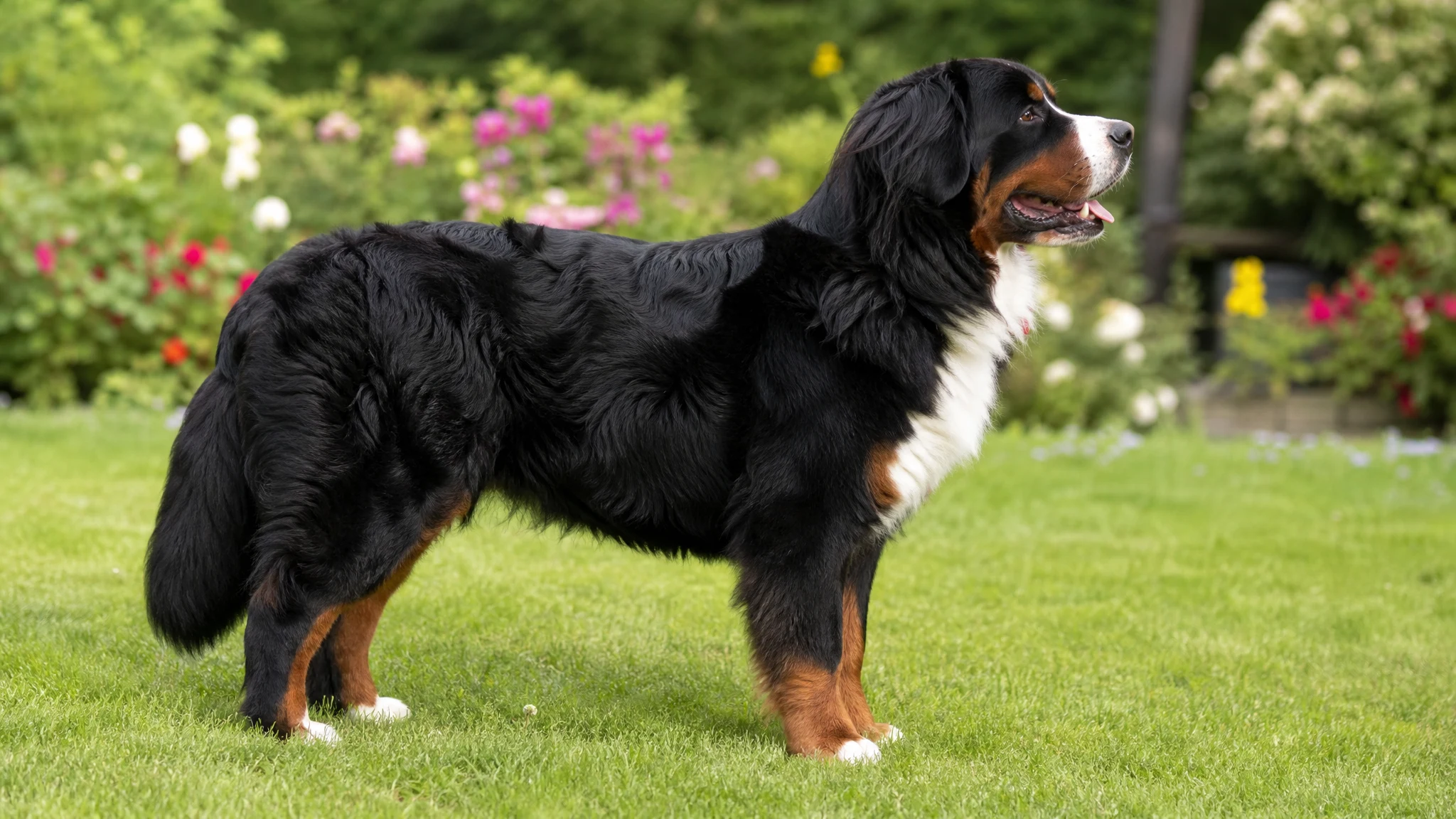
If you are weighing a Bernese Mountain Dog, or already share a couch with one, you probably want a plain answer about hair. Expect loose fur around the house, and plan a regular grooming routine to keep it under control.
This guide covers Bernese Mountain Dog shedding as a practical household task. It lists the tools to gather, a step-by-step routine, mistakes to avoid, and what results are reasonable to hope for.
One caution first. The breed sources we relied on for this site do not give a shedding schedule, a coat-length figure or a grooming timetable. We will not invent one. For coat standards and breed care, check with the Bernese Mountain Dog Club of America or a breeder who is a club member.
What to expect from Bernese Mountain Dog shedding
Dogs with a thick, long coat tend to leave hair on floors, furniture and clothes. How much, and when, varies from dog to dog. Season, age, hormones, diet, skin health and indoor heating can all play a part.
Because we cannot give a sourced amount or calendar, the best approach is to watch your own dog. Note when more fur comes off on your hands or the brush, and adjust your routine to match.
Bernese are a large breed. PetMD lists adult weight at 70 to 115 lb, so grooming sessions involve a lot of dog. Plan for time and space.
Materials you need
- A slicker brush for the top coat and feathering
- An undercoat rake or similar deshedding tool
- A wide-tooth metal comb to check for tangles
- A dog-formulated shampoo and conditioner (never human products)
- Several absorbent towels
- A vacuum with a pet attachment, and a lint roller
- Small, soft treats for rewarding calm behavior
- A non-slip mat or towel to stand on
Step-by-step: a shedding routine that fits a large, thick-coated dog
Step 1: Make grooming a calm, rewarded habit
Start with short sessions. Let your dog sniff the brush, give a treat, then do a few gentle strokes and stop while your dog is still relaxed.
Use reward-based handling only. This matches the approach recommended by the American Veterinary Society of Animal Behavior. Never restrain a dog harshly or punish fidgeting. If your dog is scared, slow down and ask your veterinarian or a certified positive-reinforcement trainer for help.
Step 2: Set up a good spot
Pick a place that is easy to clean, such as a porch, garage or tiled room. Put the mat down so your dog feels steady. Have the tools and treats within reach before you begin.
Step 3: Brush in sections
Work in small sections, from the head toward the tail. Lift the hair with one hand and brush from the skin outward with the other. Brushing only the surface can leave loose hair and tangles underneath.
Use light pressure. Skin can become red and sore if you press hard or scrape the same patch again and again.
Step 4: Use the undercoat rake carefully
After the slicker brush, go over the body with the rake in the direction the hair grows. Stop if you meet resistance. A tangle should be worked loose with your fingers and the comb, not pulled through.
Step 5: Check the problem spots with the comb
Run the comb behind the ears, under the collar area, in the armpits, along the back of the legs and near the tail. These are common places for mats to form. Check the skin as you go for redness, scabs, bumps, odd smells or bald patches.
Step 6: Bathe only when needed
A bath can loosen dead hair, but it is not needed every week. Brush out tangles before the bath, because water can tighten mats. Rinse until no shampoo remains, then towel dry well. Make sure the dense coat is dry down to the skin before your dog lies down.
Step 7: Clean up as you go
Vacuum floors and furniture regularly, and wash dog bedding on a schedule that suits your household. Keeping up with small amounts is easier than facing a large pile after a long gap.
Step 8: Keep a simple log
Write down the date, what you used, how much hair came off and anything odd about the skin. After a few weeks you will see your dog's own pattern, which is more useful than any general rule.
Where diet fits in
Be wary of any food that promises less shedding. We found no source in our research showing that a particular food reduces shedding in Bernese Mountain Dogs, and we cannot make that claim. If skin or coat seems unhealthy, a veterinarian should look at the whole picture, including diet.
What is sourced is weight. PetMD notes that keeping a lean body is part of managing hip dysplasia in the breed. A lean dog is also easier to brush and check over. Feed a complete and balanced food, follow the feeding guide on the bag as a starting point, and adjust with your veterinarian to keep your dog in good condition.
If you are choosing a food, our comparison of dog foods for Bernese Mountain Dogs lays out label data side by side. We compared labels only. We did not run feeding trials or taste tests, and we did not test any food on dogs.
Tips for easier grooming
- Short, frequent sessions usually go better than one long, tiring one.
- Brush before baths, not after.
- Keep treats small so grooming does not add many extra calories.
- Groom outdoors when you can, so the loose hair stays out of the house.
- Check the coat after outings, since burrs and debris can tangle thick hair.
- Replace brushes that have bent or broken teeth, which can scratch the skin.
Common mistakes to avoid
- Shaving the coat. It is often done in hopes of less shedding, but it does not stop hair loss and may cause other problems. Ask a groomer or your veterinarian before cutting a thick coat.
- Brushing only the top layer. Loose hair and mats can hide closer to the skin.
- Bathing too often. Frequent washing with the wrong product can leave skin dry or irritated.
- Using force. Pulling, scolding or holding a dog down teaches your dog to dread grooming.
- Ignoring skin changes. Heavy hair loss with sore, red or itchy skin is not just routine shedding.
- Adding supplements on your own. Ask your veterinarian before giving any, and never guess at a dose.
Expected results
With regular brushing, many owners find that more loose hair ends up in the brush and less on the furniture. That is a reasonable hope, not a promise. Results depend on your dog's coat, the season, health and how consistent you are.
Your dog may also become more comfortable with handling over time when sessions are gentle and rewarded. Early checks may help you spot mats or skin changes sooner.
Grooming will not stop shedding, and it is not meant to. The aim is to manage it.
When to call your veterinarian
Contact your veterinarian if you notice any of these:
- Bald patches or thinning that appears suddenly
- Constant scratching, licking or chewing at the skin
- Red, hot, flaky, greasy or foul-smelling skin
- Lumps or bumps you did not see before
- Changes in appetite, energy or weight along with coat changes
PetMD notes that the breed is prone to several cancers, notably histiocytic sarcoma. Any new lump or swelling you find while grooming deserves a veterinary check rather than a wait-and-see approach. Your veterinarian decides what is right for an individual dog.
Quick recap
- Gather the right tools and treats.
- Build calm, reward-based habits.
- Brush in sections down to the skin.
- Use the rake gently and comb problem spots.
- Bathe only when needed, and dry fully.
- Clean up regularly and keep a log.
- Call your veterinarian about skin or coat changes.
For breed-specific coat questions, such as what is normal for a Bernese Mountain Dog at a given age, ask your breeder, the breed club or your veterinarian.