Bernese Mountain Dog Puppy Price: Why Costs Vary So Much by Breeder
General nutrition information compiled from product labels and published sources, not veterinary advice. Your veterinarian is the right person to choose a diet for your dog, especially one with a health condition.
Ask three breeders what a Bernese Mountain Dog price looks like and you may get three very different answers. That gap is not random. It usually reflects what the breeder did before the puppy was born, what comes with the puppy, and what the breeder expects of you afterward.
This guide walks through how to compare breeders step by step. It does not quote dollar amounts, because no reliable national figure was available from the breed sources used here. Ask each breeder for a written quote, and check with the Bernese Mountain Dog Club of America (BMDCA) about its breeder resources.
Why one Bernese Mountain Dog price is not like another
A puppy's price is a bundle. Two puppies that look alike can come with very different things behind them.
- Health screening of the parents. Screening takes time and money, and it shows up in the price.
- Care of the mother and litter. Veterinary care, quality food and space all cost money.
- What is included. Some quotes cover first vaccines, a health exam and a written contract. Others cover only the puppy.
- Breeding goals. A breeder focused on health and temperament works differently from one selling volume.
A low price is not automatically a bargain, and a high price does not prove quality. The goal is to understand what each price pays for.
Materials you need before you start
- A notebook or spreadsheet with one row per breeder
- A list of questions (the steps below build it)
- The BMDCA health page open for reference
- A rough monthly budget for food, veterinary care and supplies
- Time. Good breeders often have waiting lists, and rushing is when mistakes happen.
Step 1: Learn what makes the breed a health-conscious purchase
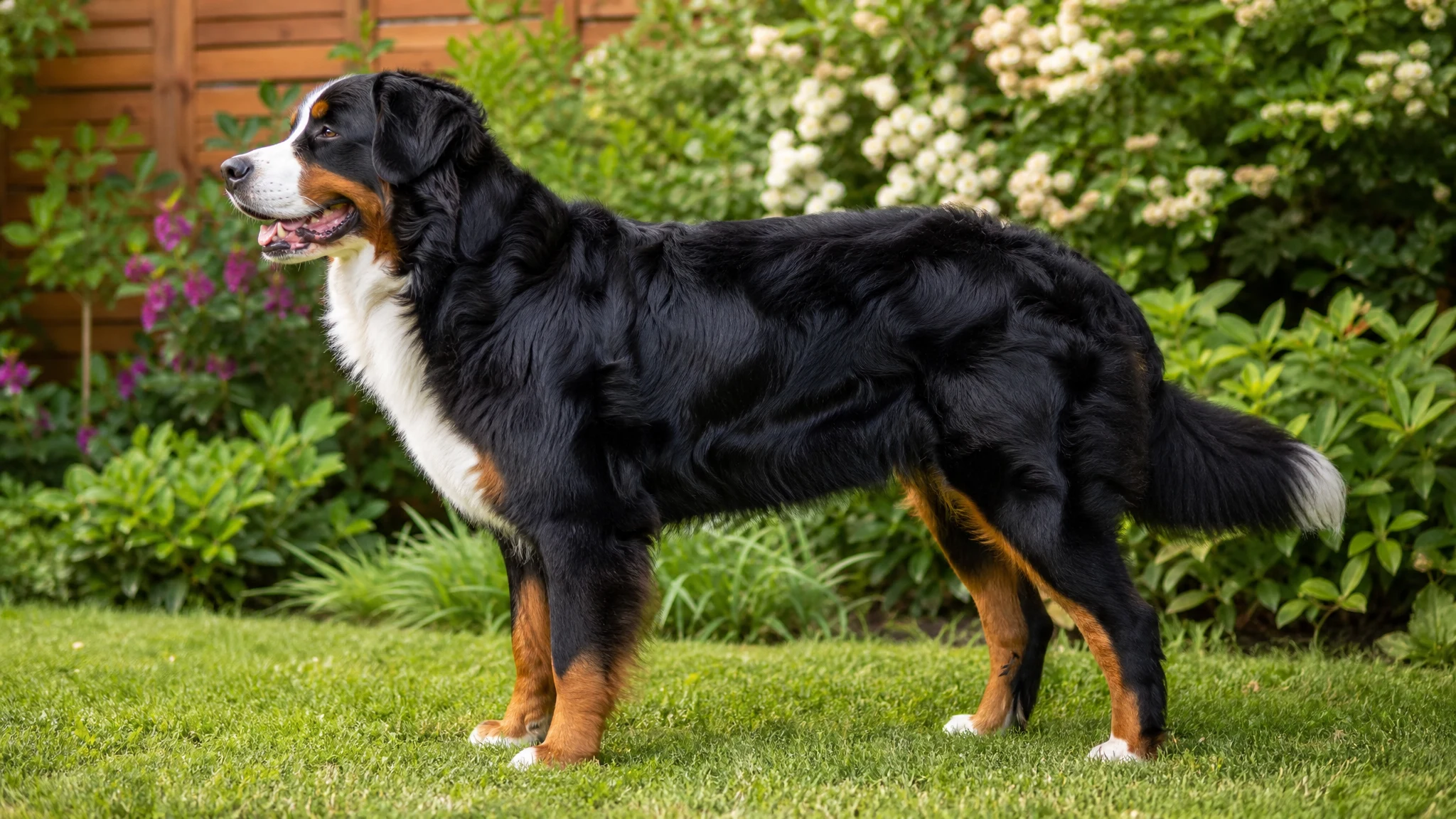
Start with the dog, not the price. PetMD describes the Bernese Mountain Dog as a large breed, with adults listed at 70 to 115 lb. Other sources give slightly different ranges, so treat weight as a rough guide.
PetMD also says the breed is prone to several cancers, notably histiocytic sarcoma. It names hip dysplasia and bloat (gastric dilatation-volvulus) as concerns as well. On lifespan, PetMD gives 7 to 10 years, while the BMDCA health page says that 7 to 8 years is too short and that some Berners reach their teens.
None of this means your dog will or will not develop a problem. It explains why health screening and careful breeding are a large part of what you are paying for.
Step 2: Write your question list
Use the same questions with every breeder so the answers can be compared fairly.
- Which health screenings were done on both parents, and can I see the records?
- What does the quoted price include?
- Is there a written contract, and what does it say about returning the puppy if I cannot keep it?
- How are the puppies raised and socialized in the first weeks?
- What food are the puppies eating now?
- How long have you bred Bernese, and are you active in the breed club?
For specifics on what the BMDCA recommends, check its health page directly. Do not rely on a breeder's summary alone.
Step 3: Request the quote in writing
Ask each breeder for the full cost in an email or a contract draft. Record the total, the deposit, what is refundable, and what is included.
Be cautious if a breeder will not put terms in writing, or if a price changes depending on how fast you decide. Pressure is a signal to slow down.
Step 4: Compare what you receive, not just the number
Build a simple table in your notebook with a column for each breeder.
| Item | Breeder A | Breeder B | Breeder C |
|---|---|---|---|
| Total quoted cost | |||
| Parent health records shown | |||
| Written contract | |||
| Vaccines and exam included | |||
| Return policy |
Once you fill it in, the cheaper quote often turns out to include less. Sometimes it does not. The table lets you see which.
Step 5: Plan for the cost after the purchase
The purchase is the start of the spending. A large dog eats a lot, and a puppy needs veterinary visits, training and supplies.
Food is a good place to practice label reading. PetMD advises feeding puppies an AAFCO-compliant food designed for giant or large breeds to support steady growth, with up to four meals a day. When you read a puppy food label, look for wording like "including growth of large-size dogs (70 pounds or more as an adult)." According to Whole Dog Journal, a statement with "except for" wording means the food is not meant for large-breed puppies. Bernese adults weigh 70 lb or more, so the "including" wording is the one to look for.
To see how specific large-breed formulas compare on label data, read our comparison of foods for Bernese Mountain Dogs. We compared label data only. We did not run feeding trials or taste tests, and no food has been shown here to prevent or treat any condition.
Your veterinarian decides what is right for an individual puppy, including how much to feed. Label feeding guides are starting points. Hill's, for example, tells owners to adjust amounts to maintain optimal weight and to ask a veterinarian if unsure.
Bloat deserves a mention here too. PetMD says deep-chested dogs, dogs fed from raised bowls and dogs fed once a day are at higher risk. It advises two meals about 12 hours apart, a slow feeder and no elevated bowls for at-risk dogs. Ask your veterinarian how this applies to your dog.
Step 6: Decide with a budget and a margin
Add the purchase cost to a realistic first-year estimate for food, vet care, training classes and supplies. Get local veterinary and food costs from the clinics and brands you plan to use, since this guide does not have reliable figures for them.
Then leave a margin for the unexpected. A breed with known health concerns can mean larger veterinary bills at times. Some owners look into pet insurance, but read the policy terms yourself, since coverage varies.
Tips for a smoother search
- Visit in person, or hold a video call, and ask to see the mother with the puppies.
- Keep your notes factual. Write down what you were told and what you were shown.
- Ask what the breeder feeds and why, then check the label yourself.
- Expect to be asked questions too. A breeder who screens buyers is often a good sign.
- Be willing to wait for the right litter.
Common mistakes to avoid
- Choosing on price alone. The lowest quote may leave out items that you would pay for later.
- Accepting "health tested" without records. Ask what was tested and ask to see the results.
- Paying a deposit before reading the contract. Get the terms first.
- Forgetting food and vet costs. A giant appetite and veterinary care add up over the years.
- Treating a diet as a health guarantee. No food decides how a dog's health turns out. Your veterinarian guides individual choices.
What to expect from this process
If you follow these steps, you will likely have a clearer picture of what each Bernese Mountain Dog price actually covers. You may find that quotes which looked far apart are closer once you compare what is included. You may also find that some are not comparable at all.
This approach cannot promise a healthy dog. Even carefully bred puppies can develop health problems. What it can do is help you ask better questions, spot vague answers and budget for the years ahead.