Finding Bernese Mountain Dog Puppies for Sale: What to Ask a Breeder
General nutrition information compiled from product labels and published sources, not veterinary advice. Your veterinarian is the right person to choose a diet for your dog, especially one with a health condition.
Browsing Bernese Mountain Dog puppies for sale is exciting, and it is easy to let a cute photo make the decision. A better approach is to treat the first conversation with a breeder like a label-reading exercise. You collect specific answers, compare them, and only then decide.
This guide walks through that process in order. It covers what to gather beforehand, the questions to ask, and the mistakes that trip up first-time buyers. It also covers what to ask about food, since the first months of feeding shape how a large, deep-chested puppy grows.
What You Need Before You Start
- A notebook or phone note with the same list of questions for every breeder, so answers can be compared side by side.
- The name of a local veterinarian you can call. A vet is the person who decides what is right for an individual dog.
- A budget you have confirmed yourself. We do not quote prices here, because they vary and no verified figure is available. Ask each breeder for their current fee in writing.
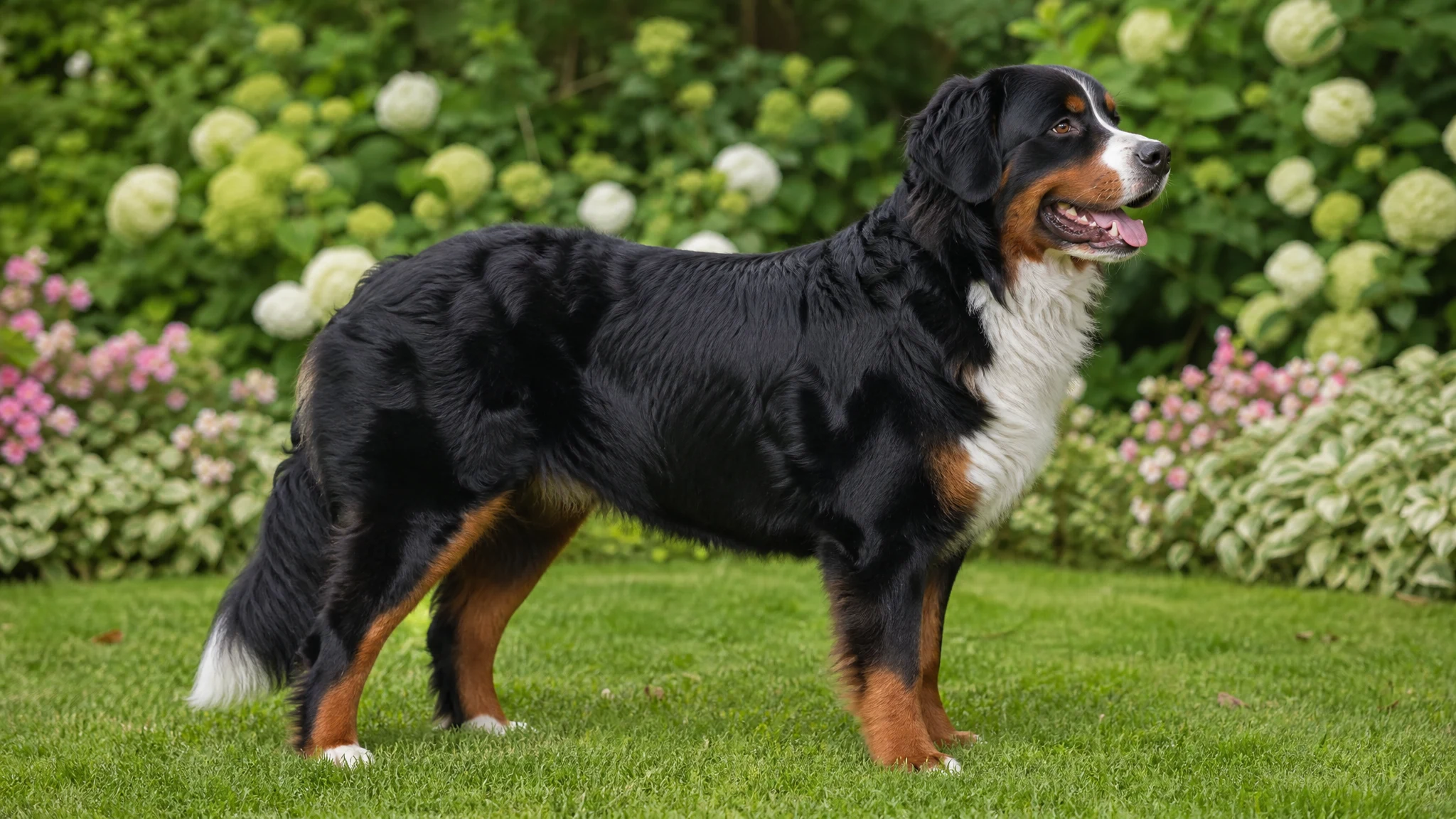
- A realistic picture of the breed. PetMD lists adult Berners at roughly 70 to 115 lb and puts them in the large size category.
- A few hours to read the Bernese Mountain Dog Club of America (BMDCA) health page before you make contact.
Step 1: Learn the Breed's Health Picture First
You can only judge a breeder's answers if you know what the questions are for. Start with what the published sources say.
PetMD notes that Bernese Mountain Dogs are prone to several cancers, notably histiocytic sarcoma. It also describes hip dysplasia and bloat (gastric dilatation-volvulus) as concerns. Wikipedia's breed entry reports elbow dysplasia studies with prevalence between 13.91% and 26%. Wikipedia is a secondary source, so treat that range as a reason to ask questions, not as a precise figure for any one litter.
Lifespan is another place where sources differ. PetMD gives 7 to 10 years. The BMDCA health page says that 7 to 8 years is too short and that some Berners reach their teens. Read the BMDCA page yourself and note how the club frames the issue.
The goal is not to scare yourself. It is to know that a responsible breeder should be able to talk about these topics calmly and in detail.
Step 2: Ask About Health Screening and Ask to See Records
Do not accept "our dogs are healthy" as an answer. Ask for specifics, then ask to see the paperwork.
- Which health conditions do you screen the parents for, and who performed the screening?
- Can I see the results for both the sire and the dam?
- Have any relatives in these lines had cancer, and at what age? How long did the older dogs in your lines live?
- Have any puppies from previous litters had hip or elbow problems that you know of?
- What happens if a health problem appears later? Is there a written agreement?
Honest breeders do not always have clean answers, especially about cancer and lifespan. Candor is a good sign. Vague or defensive replies are worth noting. If you are unsure which screenings matter, check with the BMDCA, because we have not verified a specific list of tests here.
Step 3: Ask About the Parents and the Puppies' Early Life
Ask where the puppies are raised and whether you can meet the mother. Ask about the parents' temperament and how the puppies are handled each day. A breeder who welcomes these questions is usually one who has thought about them already.
Ask how many litters the breeder produces a year and how often the mother has been bred. Write the answers down. We cannot offer a verified "right number," so use your notes to compare breeders against each other and to raise points with your veterinarian.
Step 4: Ask What the Puppies Are Eating
Feeding is easy to overlook, and it matters for a breed this size. PetMD advises feeding Bernese puppies an AAFCO-compliant food designed for giant or large breeds, to support steady growth, and says puppies may eat up to four meals a day.
Ask the breeder:
- What exact food are the puppies eating now, and how many meals a day?
- Will you send a small supply home with the puppy so the switch can be gradual?
- Does the food's label carry an AAFCO statement about large-breed growth?
Here is the label wording to look for. Whole Dog Journal explains that puppy and all-life-stages foods carry either an "including growth of large-size dogs (70 pounds or more as an adult)" statement or an "except for growth of large-size dogs" statement. The first suits large-breed puppies. The second does not. Adult Berners reach 70 lb or more, so the "including" wording is the one to choose.
Ask to see the bag or the brand's own product page and read the statement yourself. When we compare foods on this site, we compare label data only. We have not run feeding trials or taste tests, and a label cannot tell you how your puppy will do on a food.
Once your puppy is home, a starting point for portions is on our Bernese Mountain Dog feeding chart. Treat any chart as a starting point and adjust with your veterinarian based on your puppy's body condition.
Step 5: Ask About Feeding Habits That Affect Bloat Risk
PetMD says deep-chested dogs, dogs fed from raised bowls, and dogs fed once a day are at higher risk of bloat. It advises two meals about 12 hours apart, a slow feeder, and no elevated bowls.
Ask how the breeder feeds the adult dogs and the puppies, and whether they use raised bowls. Their answer shows how closely they follow current guidance. Your veterinarian can tell you what applies to your own dog.
Step 6: Compare Breeders and Decide
After you have talked to a few breeders, lay your notes side by side. Look at who showed records, who answered directly, and who was comfortable with follow-up questions.
Do not feel pressured by a waiting list or a "last puppy available" message. Pausing for a week costs little. Rushing into a large-breed puppy purchase is harder to undo.
Before you commit, make sure you have the following in writing:
- The total fee and what it includes.
- Copies of the parents' health documentation.
- Details of the puppy's vaccinations and veterinary checks to date.
- The food the puppy is on, plus the feeding schedule.
- The breeder's policy if you can no longer keep the dog.
Tips
- Use the same questions with every breeder. It keeps the comparison fair.
- Ask your veterinarian to look over the paperwork and the puppy soon after pickup.
- Keep a lean puppy. PetMD lists a lean body as part of hip dysplasia management, so a slow, steady growth rate is the aim.
- Change foods gradually, not overnight.
Common Mistakes to Avoid
- Choosing on photos alone. Appearance says nothing about health records or temperament.
- Accepting verbal health claims. Ask for documents.
- Assuming a "large breed" label means the food is right for puppies. Check the AAFCO wording, as covered in Step 4.
- Buying a food because of a marketing claim. No food prevents or treats cancer, joint disease, or bloat. Ask your veterinarian what suits your dog.
- Skipping the question about the breeder's support after the sale. A good breeder expects to stay in touch.
- Relying on one lifespan figure. Sources range from 7 to 10 years, and the BMDCA says some dogs live longer. Plan for a long-term commitment either way.
What to Expect
Following these steps may help you spot breeders who are open about health and upbringing. It may also help you start your puppy on a food suited to large-breed growth. It cannot guarantee a healthy dog, because breed-related conditions can still appear in any litter.
What you can reasonably expect is a clearer comparison between the Bernese Mountain Dog puppies for sale that you consider, and a better set of questions for your veterinarian.
One more note on food safety. The FDA's investigation into diets and canine dilated cardiomyopathy had its latest update on 12/23/2022. The agency said it does not plan further public updates until there is meaningful new scientific information. If you have questions about your puppy's diet and heart health, your veterinarian is the right person to ask.