Bernese Mountain Dog Personality: Common Traits and What Shapes Them
General nutrition information compiled from product labels and published sources, not veterinary advice. Your veterinarian is the right person to choose a diet for your dog, especially one with a health condition.
Every owner wants to know what a Bernese Mountain Dog will be like to live with. The honest answer is that breed descriptions are a starting point, and each dog adds its own twists.
This guide is a practical method. You will learn how to watch your own dog, write down what you see, and understand which everyday factors can influence behavior. It leans on what the Bernese Mountain Dog Club of America (BMDCA) and PetMD publish, and it points you to them for the official breed description.
What this guide can and cannot tell you
We compared published breed information. We did not live with, train or test any dogs for this page.
Temperament wording differs from one source to the next, and we will not paste in a list of traits we cannot tie to a named source. For the club's own description of the breed, check the BMDCA website or the American Kennel Club breed page. Treat those as the reference, then use the steps below to see how your dog fits.
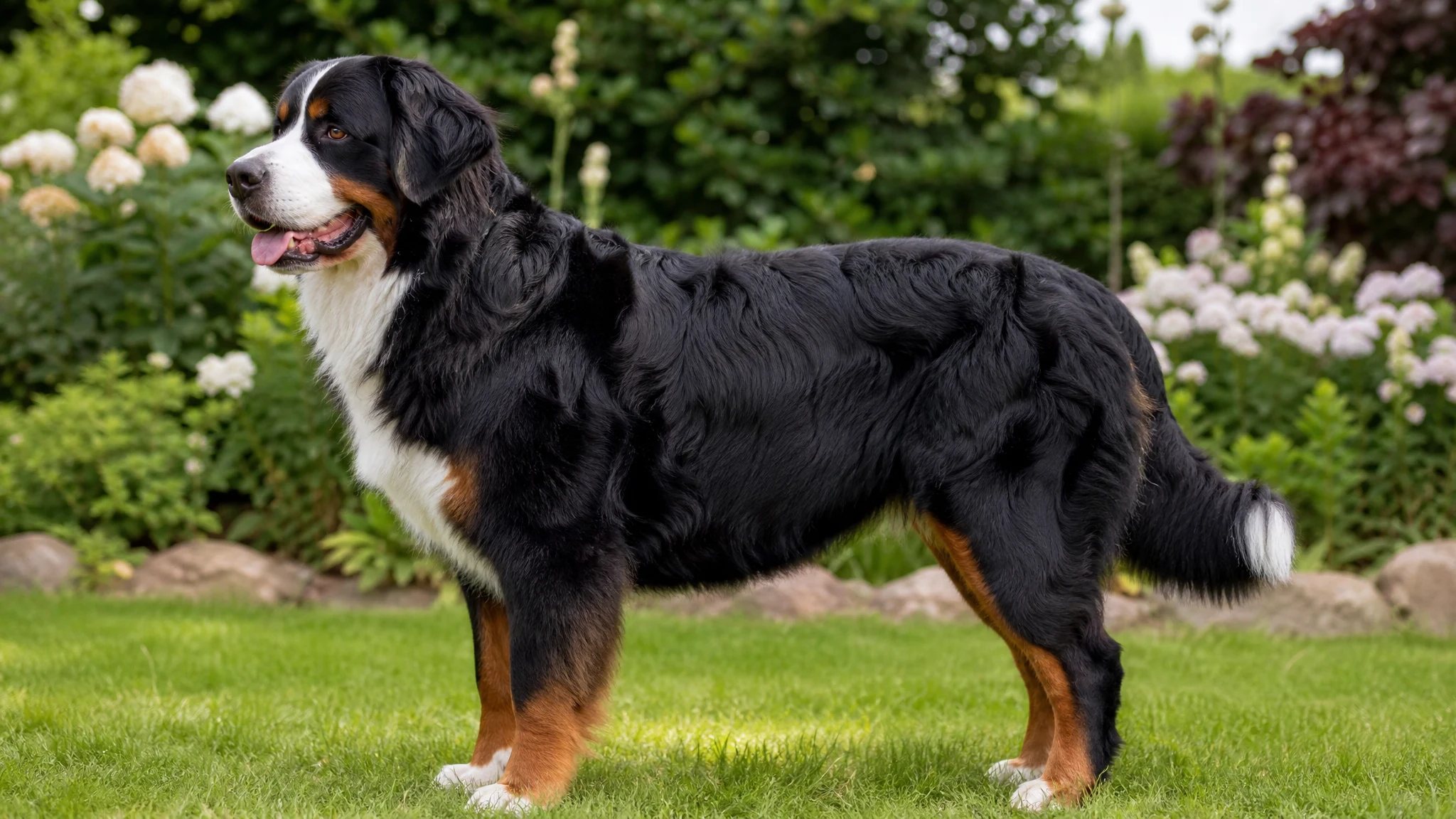
One fact does shape daily life. PetMD lists the Bernese Mountain Dog as a large breed, with adults of roughly 70 to 115 pounds. A dog that size affects how it moves through a house, how it handles stairs and heat, and how much exercise suits it. Those things can all color how a dog seems to behave.
Materials you will need
- A notebook or a notes app for short daily entries
- A phone camera for short clips of your dog in different settings
- A few soft, small treats your dog likes, for reward-based practice
- A flat collar or harness and a standard leash
- A slow-feeder bowl or ordinary floor bowl, for the mealtime notes in step 4
- Your dog's vet records, so you can rule out health causes for any change
Step-by-step: learning your dog's personality
Step 1. Read the breed sources first
Start with the BMDCA and the AKC breed description. Read the temperament section slowly and underline any phrase you want to test against your own dog.
Be careful with online lists of adjectives. A word like "gentle" or "stubborn" means different things to different owners, so ask yourself what behavior you would actually see.
Step 2. Write down what you see for two weeks
Each evening, note three things: how your dog greeted people, how it reacted to something new, and how it settled afterward. Keep entries to a line or two.
Describe behavior, not labels. "Leaned against my leg when the doorbell rang" is more useful than "anxious." Patterns will show up faster than you expect.
Step 3. Test a few ordinary situations
Over those two weeks, give your dog gentle, low-pressure chances to meet a new person, hear an unfamiliar sound and walk a new route. Keep sessions short and reward calm behavior with a treat.
If your dog hesitates, let it take its time. Do not push it forward. Reward-based methods are the approach recommended by the American Veterinary Society of Animal Behavior (AVSAB), and they keep new things from feeling like a threat.
Step 4. Look at mealtimes and routine
Food and routine are part of what shapes a dog's day, and day-to-day comfort can show in mood and behavior.
PetMD notes that deep-chested dogs, dogs fed from raised bowls and dogs fed once a day are at higher risk of bloat, formally called gastric dilatation-volvulus. It advises two meals about 12 hours apart, a slow feeder and no elevated bowls. That is a safety point, and it also gives your dog a predictable rhythm.
If you are working out portions, our Bernese Mountain Dog feeding chart explains how to treat label guides as starting points. Your veterinarian decides what is right for your individual dog.
Step 5. Match activity to the dog in front of you
Note when your dog seems restless and when it seems content. PetMD describes low-intensity exercise and a lean body as part of managing hip dysplasia, which tells you that a big dog's comfort and weight matter.
A dog that is sore or overweight may act reluctant or withdrawn. That is not a personality trait, so keep it separate in your notes.
Step 6. Review and adjust
After two weeks, read your notes as a whole. Circle repeated behaviors and ask whether each one is a stable habit or a reaction to a particular situation.
Then pick one or two things to practice with rewards, such as calm greetings or settling on a mat. Repeat the exercise a month later to see what changed.
What shapes a Bernese Mountain Dog's personality
No single source can tell you how much comes from genes and how much from life. These are the factors worth considering, and your breeder or the BMDCA can speak to the first.
- Breeding and family lines. Temperament can run in families. Ask a breeder about the parents' behavior, and check with the BMDCA for its guidance on choosing a breeder.
- Early experiences. Gentle, varied exposure during puppyhood can shape how a dog handles the world. Your veterinarian can advise on safe timing around vaccines.
- Health and comfort. Pain, illness and weight can change behavior. PetMD notes the breed is prone to several cancers, notably histiocytic sarcoma, and Wikipedia cites studies reporting elbow dysplasia in roughly 13.91% to 26% of Bernese. A sudden change in mood is a reason to call your vet.
- Age. Puppies, adults and seniors behave differently. PetMD gives a life expectancy of 7 to 10 years, while the BMDCA says 7 to 8 years is too short and some Berners reach their teens.
- Routine and training. Consistent, reward-based handling tends to make a dog's days more predictable.
- Nutrition. A balanced diet supports a dog's general well-being. It does not decide personality, and no food should be expected to change it.
A note on puppy food and steady growth
Because a growing Bernese will be a large adult, PetMD advises feeding puppies an AAFCO-compliant food designed for giant or large breeds, up to four meals a day, to support steady growth. Whole Dog Journal explains the label wording to look for: "including growth of large-size dogs (70 pounds or more as an adult)." A statement with "except for" wording means the food is not meant for large-breed puppies.
We compared label data only. We did not run feeding trials or taste tests, and we cannot say how any food affects behavior. Ask your veterinarian which food fits your puppy.
Tips for a smoother two weeks
- Keep sessions under five minutes so your dog stays interested.
- Observe at different times of day. Many dogs act differently when tired or hungry.
- Record good days and off days alike.
- Share your notes with your veterinarian or a certified, reward-based trainer if something worries you.
- Compare your dog only with itself, not with a neighbor's dog.
Common mistakes to avoid
- Treating breed traits as promises. A description is an average, not a forecast for your dog.
- Calling pain a personality. Reluctance to climb stairs or play can have a physical cause.
- Using harsh corrections. Shock, prong or choke collars, alpha rolls, scruffing and dominance methods are not recommended. AVSAB advises against them because they can raise fear and stress.
- Raised bowls and one big meal. PetMD flags both as bloat risks.
- Changing too much at once. Adjust one thing at a time so you can tell what made a difference.
Expected results
After two weeks of notes and short practice sessions, you may have a clearer picture of how your dog reacts to people, new places and routine changes. You may also notice small improvements in calm behavior if you reward it consistently.
Results vary from dog to dog, and nothing here is guaranteed. If your dog's behavior changes suddenly or worsens, schedule a veterinary visit before assuming it is a matter of temperament.