Bernese Mountain Dog Names: Ideas by Personality and Look
General nutrition information compiled from product labels and published sources, not veterinary advice. Your veterinarian is the right person to choose a diet for your dog, especially one with a health condition.
Choosing from the many Bernese Mountain Dog names out there is easier with a method. This guide walks you through it step by step, then gives name ideas sorted by personality and by look.
A name will be spoken thousands of times over your dog's life. PetMD lists a life expectancy of 7 to 10 years for the breed. The Bernese Mountain Dog Club of America (BMDCA) says 7 to 8 years is too short and that some Berners reach their teens. Pick a name you will still like for a long time.
What You Need
- A notepad or phone note for your shortlist.
- A few days of watching your dog (or, for a new puppy, a few days with the litter or the first days at home).
- Two or three family members willing to vote.
- Small, soft treats for testing how your dog reacts to a name.
- Your dog's paperwork, if there is a registered name to match or avoid.
Step 1: Note What Stands Out
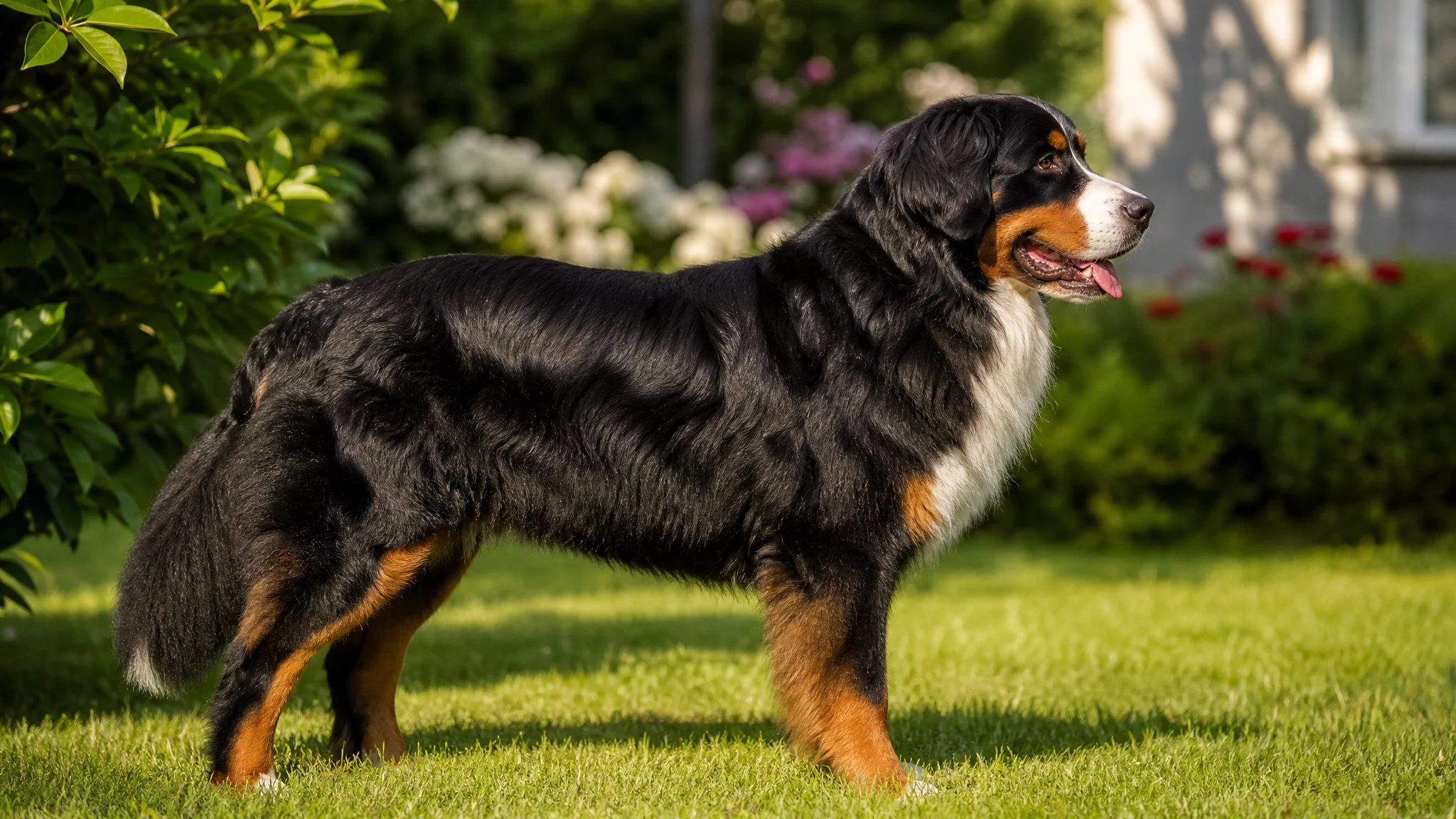
Write down what you see. Is your dog loud or quiet? Bouncy or calm? Clingy or independent? Also note the look: coat shade, markings, fluffiness and any odd feature.
PetMD describes the breed as large, with adults at 70 to 115 lb. A puppy will grow into that size, so a tiny name for a tiny puppy may feel funny later. Some owners enjoy that contrast. Others prefer a name with room to grow.
Step 2: Build a Shortlist by Personality
Sort your notes into a theme, then pick names that fit.
Calm and gentle
- Willow
- Clover
- Barley
- Teddy
- Maple
Goofy and playful
- Waffles
- Biscuit
- Noodle
- Pickles
- Bumble
Loyal and watchful
- Scout
- Atlas
- Sage
- Ranger
- Bear
Food-motivated
Many dogs light up at mealtime, so food names are a common theme: Cocoa, Mochi, Brisket, Pretzel, Peaches. If you take this route, avoid a name that sounds like a food word you use around the bowl, such as the name of a treat you say often.
Step 3: Build a Shortlist by Look
Go back to your look notes. Every dog differs, so work from your own dog rather than from a template.
Coat and markings
- Dark coat: Bear, Onyx, Mocha, Ember, Juniper
- Light or warm tones: Rusty, Honey, Copper, Biscotti, Sunny
- Distinct markings: Patches, Socks, Bandit, Domino, Mitten
Size and fluff
- Big and sturdy: Moose, Tank, Titan, Bruno, Boulder
- Fluffy: Marshmallow, Pillow, Cloud, Fern, Tumbleweed
Mountain themes
Outdoor names suit a large, sturdy dog: Summit, Alpine, Aspen, Denali, Timber, Juniper, Glacier. Choose what you like. These are style ideas, not breed facts.
Step 4: Test the Sound
Say each name out loud in a happy voice, then in a firm one. Then shout it across a yard. Names with one or two syllables and a clear ending are usually easy to say and hear. Names that sound like common cues, such as "No," "Sit" or "Stay," can cause confusion, so drop those.
Step 5: Try It With Your Dog
Say a candidate name once in a cheerful tone. When your dog looks at you, give a treat. Repeat a few short rounds with each finalist over a day or two.
This is reward-based teaching, in line with the approach supported by the American Veterinary Society of Animal Behavior (AVSAB). Never use a name as a scolding word. You want your dog to link the name with good things.
Step 6: Decide and Commit
Have your family vote on the final two or three. Use the winner for a full week before you lock it in on tags, microchip records and vet paperwork. If it still feels right, you have your name.
Once you have a name, you can move on to the next big routine. Our Bernese Mountain Dog feeding chart guide covers how to approach meal amounts for your new dog.
Tips
- Check that the name is not shared by another dog in your household or at your regular dog park.
- Think about nicknames. Most dogs end up with two or three.
- Say the name as you would call it at the vet's office or in public. If you would feel awkward, pick another.
- Keep a runner-up in your notes in case a rescue dog already responds to a different name.
Common Mistakes to Avoid
- Picking a trend name. A name that feels fun this month may feel dated in a few years.
- Choosing a long name. Dogs tend to respond more easily to short names, and you will shorten a long one anyway.
- Using sound-alike names. A name that rhymes with another pet's name or a family member's can confuse everyone.
- Changing the name over and over. Constant switching can make it harder for your dog to learn it.
- Naming only for the puppy stage. Your dog will be a large adult for most of its life.
What to Expect
Many dogs begin to respond to a new name within days when it is paired with treats and praise, though the pace varies by dog and by age. A rescue dog with a past name may need more time. If your dog seems uninterested, shorten the sessions and make the rewards better. Your veterinarian or a reward-based trainer can help if you have concerns about learning or hearing.