Bernese Mountain Dog Coat Colors and Markings: What They Look Like
General nutrition information compiled from product labels and published sources, not veterinary advice. Your veterinarian is the right person to choose a diet for your dog, especially one with a health condition.
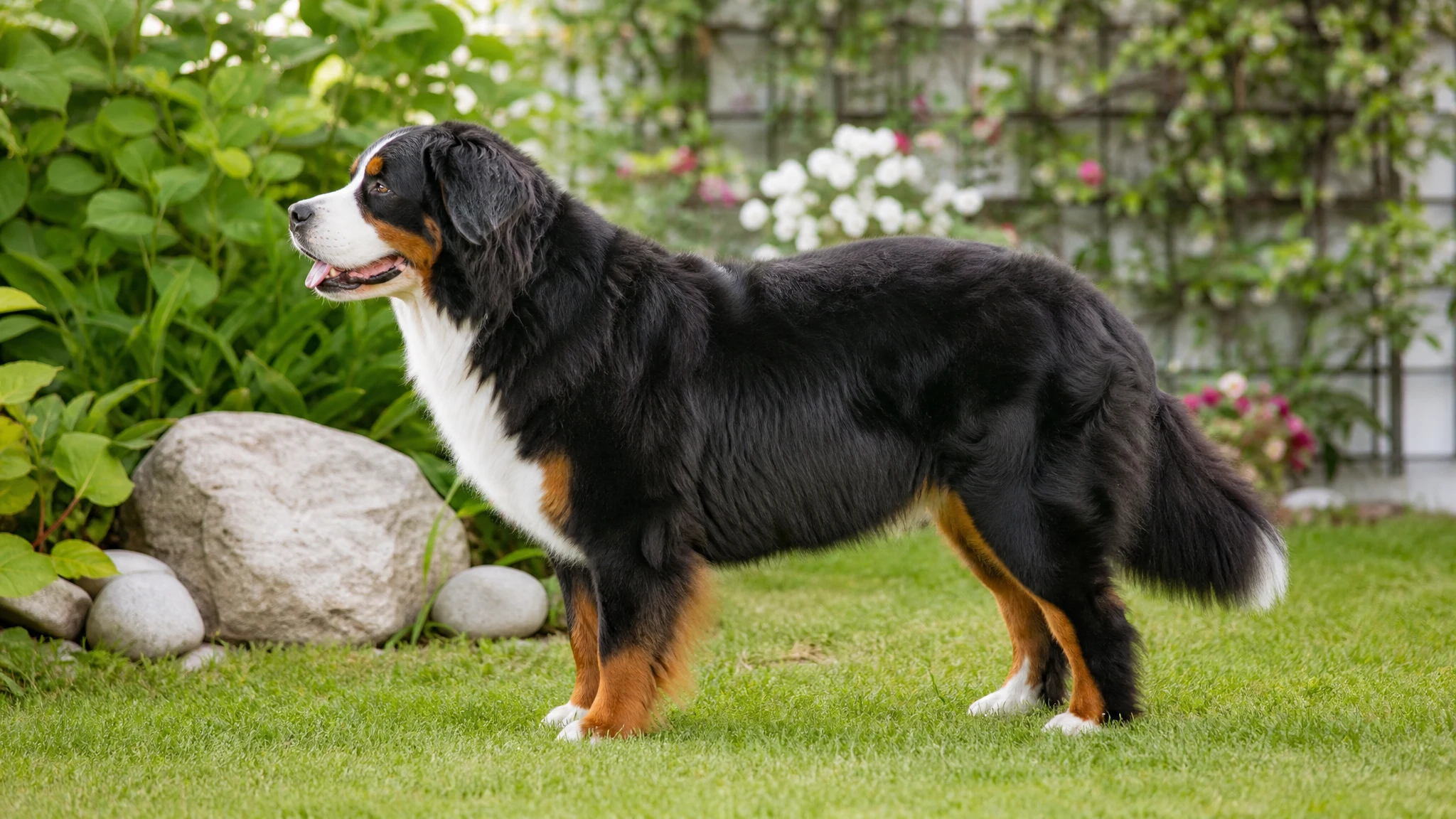
Coat color is the first thing most people notice about a Bernese Mountain Dog. It is also where a lot of confusion starts. Is that patch of white normal? Does a puppy's coat change? Does food affect any of it?
This guide is a practical routine for looking at a Berner's coat and describing it accurately. It also shows you where to check what is accepted for the breed, so you do not rely on guesses from sellers or social media posts.
One honest limit up front: the breed sources we relied on for this site do not spell out the official color and marking rules. So we do not list them here. We point you to the groups that publish them.
What you need
- Natural daylight, ideally in the shade or on a bright overcast day, so colors are not washed out or tinted.
- Your phone camera, to take the same set of photos over time.
- A soft brush or comb, so the coat lies flat and patches are easy to see.
- Any papers from the breeder or registry, if you have them.
- A notepad or a notes app.
- The current written breed standard from the Bernese Mountain Dog Club of America (BMDCA) or the American Kennel Club (AKC).
Step 1: Get the dog calm and the coat tidy
Brush the coat lightly in the direction it grows. Mud, wet fur and loose undercoat can hide the edges of a marking. A calm dog standing still for a minute gives you a much clearer view than a wiggly one.
Use treats and praise to keep it relaxed. Reward-based handling is the approach the American Veterinary Society of Animal Behavior (AVSAB) supports, and it makes photo sessions easier on both of you.
Step 2: Photograph the dog from set angles
Take the same six photos each time:
- Front view of the face and chest.
- Left side, full body.
- Right side, full body.
- Top-down view of the back.
- Close-up of each front paw and each back paw.
- Tail, from the side and from behind.
Keep the camera level with the dog's body, not tilted down from above. Angles change how large a patch looks.
Step 3: Map the main color areas
Look at the dog as a set of zones: head, neck, chest, back, sides, legs, paws and tail. For each zone, write down what you see in plain words, such as "dark on the back, lighter on the legs."
Describe what is there, not what you think it should be. Notes like these are more useful than a label, because they let you compare against the written standard later.
Step 4: Note the white areas
Questions about a Bernese Mountain Dog's white markings come up more than any other coat topic. Here is how to record them without over-reading.
- Mark where each white area sits: face, chest, feet, tail tip or elsewhere.
- Note its shape, such as a narrow line, a broad patch or small flecks.
- Note whether its edges are sharp or fade into the surrounding coat.
- Take a close-up of each one so you can compare it in a few months.
Whether a particular white marking is typical, allowed or a fault is a question for the breed standard. We do not state those rules here because we have not confirmed them in the sources we cite. Read the standard from the BMDCA or the AKC, and ask the breeder or the club if the wording is unclear.
Step 5: Compare your notes with the written standard
Open the current breed standard from the BMDCA or the AKC and read the coat section slowly. Place your notes beside it, zone by zone.
Standards use specific terms, and they can be revised. Always use the current version from the club itself, not a summary on a seller's site or a forum.
If your dog does not match a description, that does not mean anything is wrong with its health. A standard describes show conformation. It does not describe a dog's value as a companion.
Step 6: Repeat as the dog grows
Puppies change as they grow. Repeat the photo routine every few months through the first couple of years, and again if you notice a change. Keep the photos in one folder with dates.
Growth is also when feeding matters most for a large breed. PetMD advises feeding puppies an AAFCO-compliant food designed for large or giant breeds to support steady growth. Look for label wording that says the food covers growth of large-size dogs (70 pounds or more as an adult). Bernese adults weigh 70 pounds or more, with PetMD listing 70 to 115 lb. Our Bernese Mountain Dog feeding chart guide covers amounts as starting points.
Tips
- Use the same light each time. Warm indoor bulbs and low sun can make coat shades look different from one photo to the next.
- Photograph a dry, clean coat. Wet fur looks darker.
- Keep a sizing reference. A leash or a familiar object in frame helps you judge patch size on later dates.
- Ask the breeder for records. Registration papers and the breeder's notes can help you understand what you are looking at.
- Treat sudden changes as a reason to call your veterinarian. New bald spots, skin redness, lumps or a patch of coat that changes quickly are health questions, not color questions. The breed is prone to several cancers, PetMD notes, so lumps in particular deserve a prompt call.
Common mistakes to avoid
- Judging from one photo. Lighting, angle and filters can mislead. Use the set.
- Treating a color description as a health claim. Nothing in the sources we used links a specific marking to a health outcome.
- Believing that a food will change coat color. We have no source that says a diet changes a Bernese Mountain Dog's color or markings. Do not pay extra for a product on that promise.
- Paying a premium for a "rare" pattern. If a seller calls a coat rare or special, compare it to the club's written standard and ask for the reasoning in writing.
- Using prong, choke or shock tools to get a dog to stand for photos. They are not needed and are not in line with AVSAB guidance. Patience and treats work.
What to expect
After following these steps, you will likely have a clear, dated record of your dog's coat and a good sense of how it compares with the breed standard. That record can make conversations with breeders, clubs and your veterinarian easier.
It may also help you spot changes sooner. It will not tell you anything about your dog's health on its own. Coat color tells you very little about nutrition or disease, and a veterinarian decides what is right for an individual dog.
A note on food and coat
It is natural to wonder whether a better food means a better-looking coat. We compared label data across products on this site. We did not run feeding trials or taste tests, so we cannot say how any food affects a coat.
What we can say is that a complete and balanced food suited to your dog's life stage and size is the sensible starting point. For Berners, PetMD also notes that keeping a lean body is part of managing hip dysplasia, so body condition is worth watching as much as coat. If you see a dull coat, itching or flaking skin, ask your veterinarian before changing foods.
Quick checklist
- Brush the coat and keep the dog calm.
- Photograph six set angles in daylight.
- Map color zones in plain words.
- Record each white area with a close-up.
- Compare notes to the current BMDCA or AKC standard.
- Repeat every few months and call your veterinarian about skin or lump changes.